A Response to real-life Circumstances
For several years, Fondation Sommer has supported the non-profit organisation Social Impact Development Centre (SIDEC) in developing projects for children and young people living in care homes in Differdange. Through various artistic, cultural, and educational workshops organised within these facilities, it gradually became clear that, while these activities met a genuine need, they were no longer sufficient. The young people needed a place of their own — a space where they could share experiences outside the daily routine of the care homes.
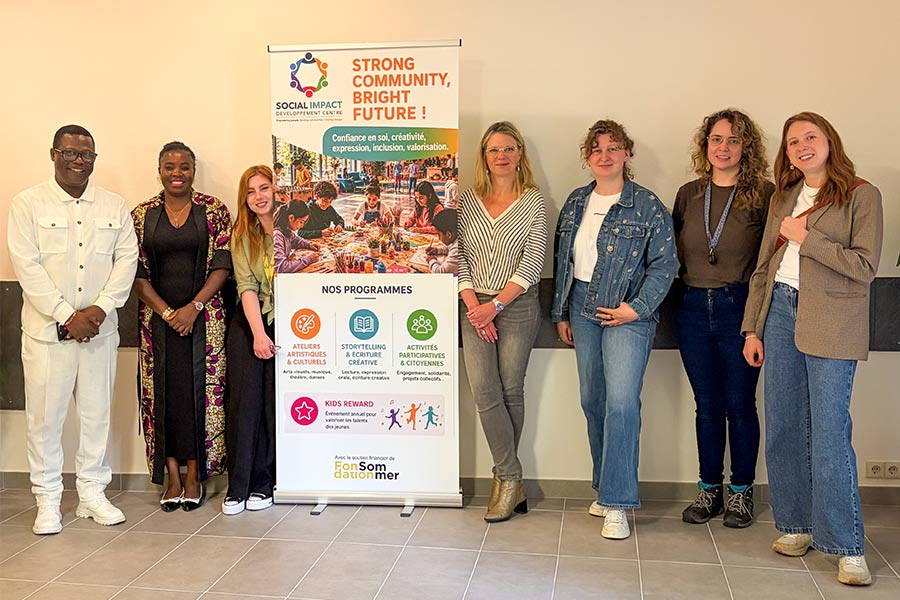
Guided by this realisation and driven by Dr Annie Flore Madé, the founder and strategic director of SIDEC, the ‘Strong Community, Bright Future‘ initiative was established: a dedicated space for children and young people in care homes, situated at 5 Avenue de la Liberté in Differdange.
A long-term Support
For the Fondation Sommer, supporting a project is about more than just funding it. For several months now, the Foundation has been supporting SIDEC with a comprehensive approach to the first floor of the venue, which is dedicated to cultural and creative activities: rent, coordination, an educator position, and artistic contributors.
In addition to this financial support, the Foundation’s team has worked alongside Dr Annie Flore Madé on the very design of the project: reflecting on the programme, defining the workshops offered, and ensuring these are aligned with the needs identified on the field. This support is built up over time, through regular discussions and visits, and extends to a shared reflection on the project’s strategic vision and on partnerships likely to enrich it. It is this close involvement that enables the Foundation to play a role that goes beyond that of a funder: that of a partner in the development of the project.
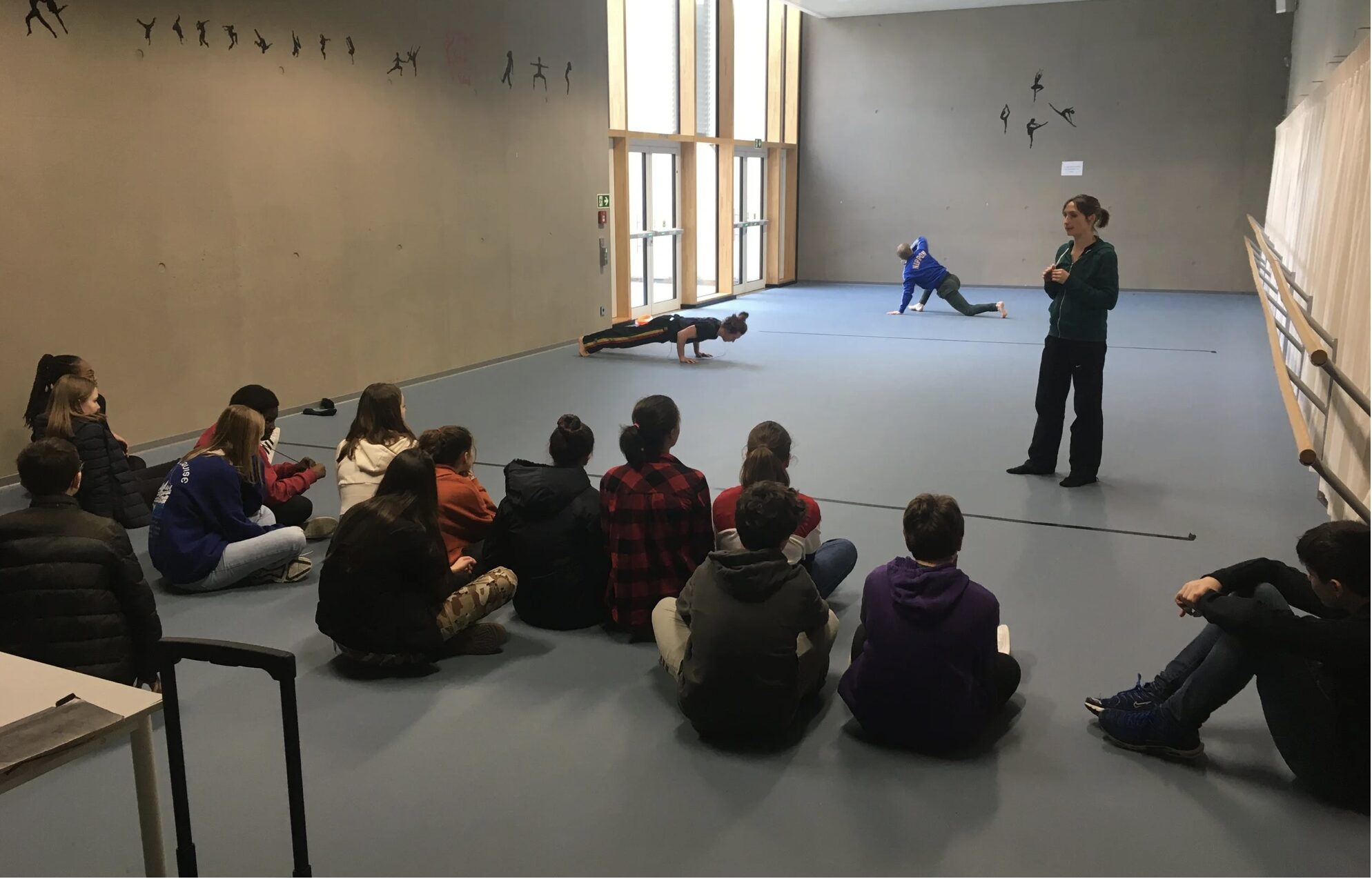
Creative Workshops led by Committed Artists
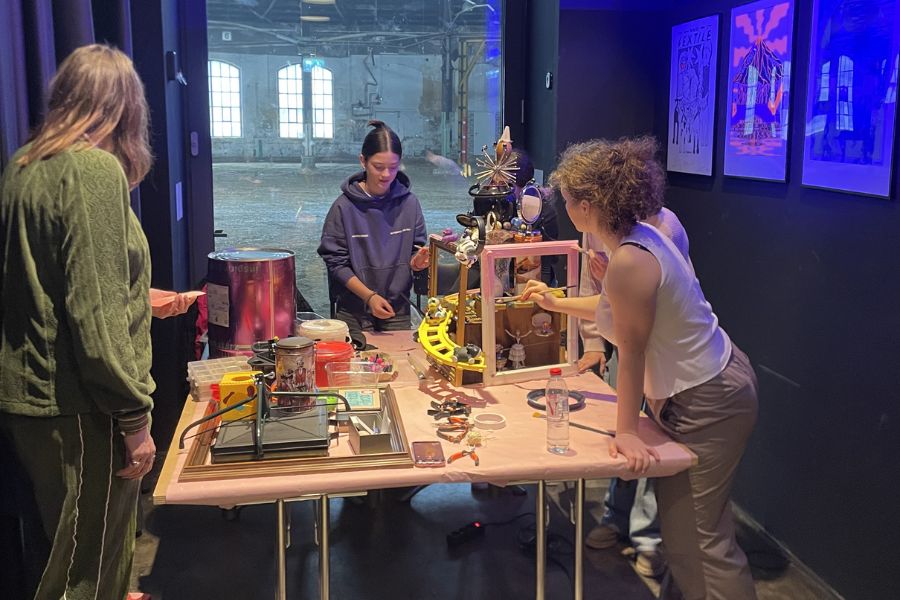
The first floor of the venue now hosts creative workshops led by artists whom the Sommer Foundation has helped to connect with SIDEC:
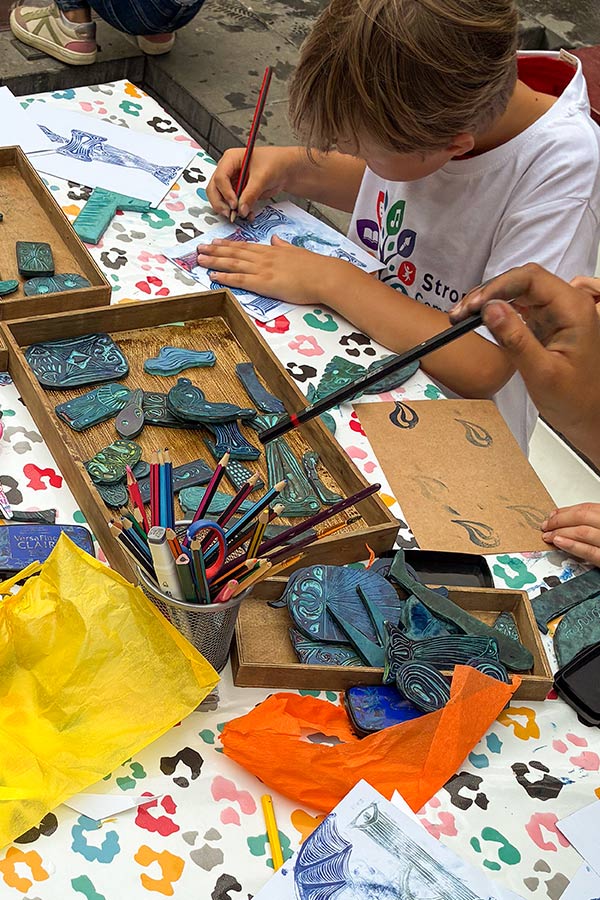
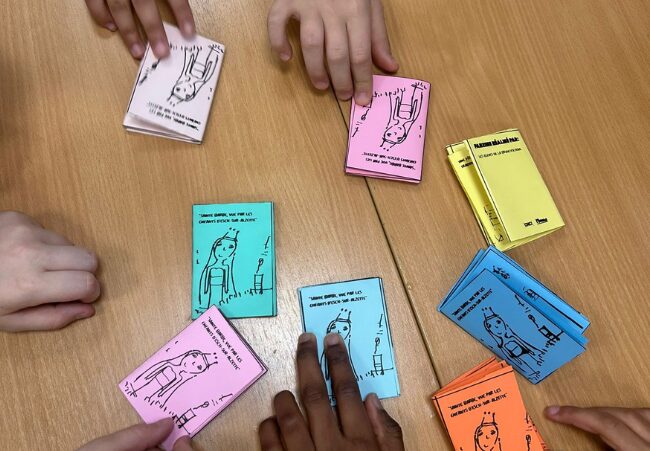
- Léa Valet, for linocut workshops;
- Luisa Maria Stagno, for photography workshops.
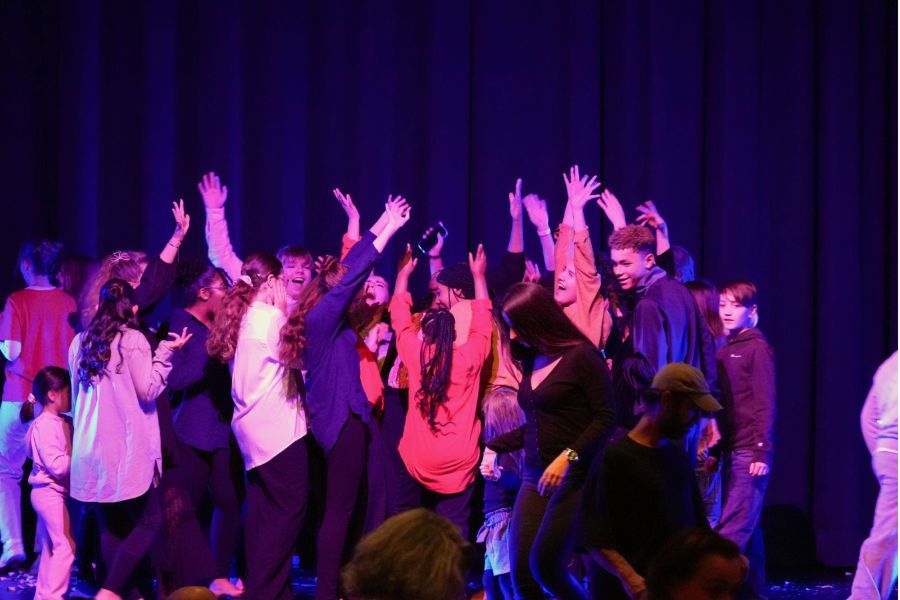
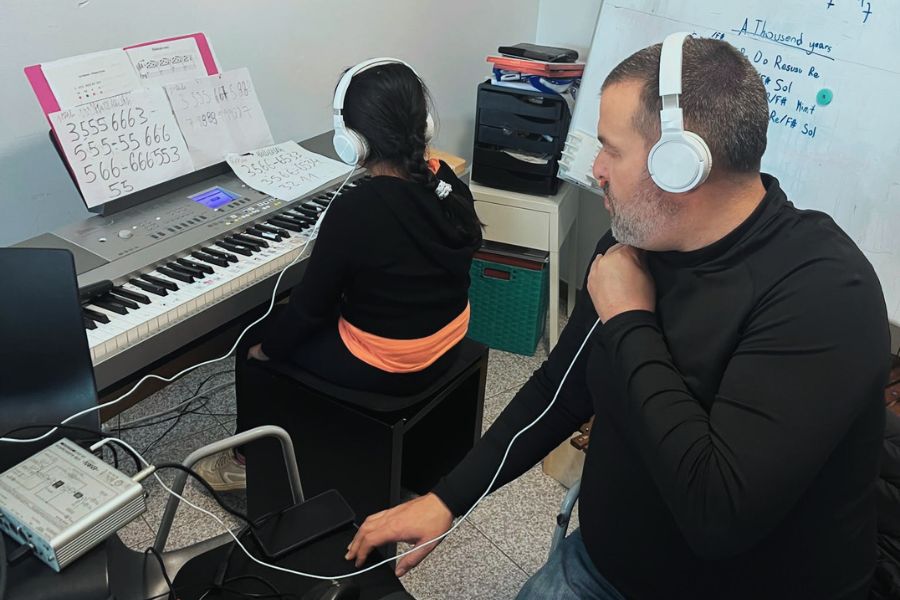
The programme will soon be expanded to include theatre workshops led by Raffaela d’Angelo, from the Artemysia Theatre company, as well as music workshops offered with the support of the Fondation EME.
A new Milestone: the Social Impact Community Hub
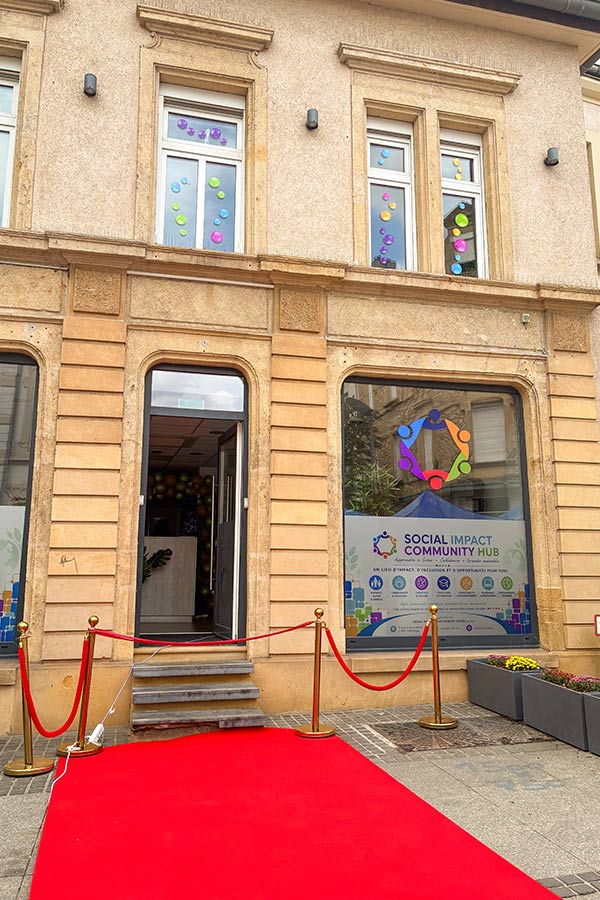
Building on this momentum, SIDEC has taken the next step by renting the ground floor of the same building to create a hub dedicated to welcoming families from the care centres, providing a space for connection and interaction.
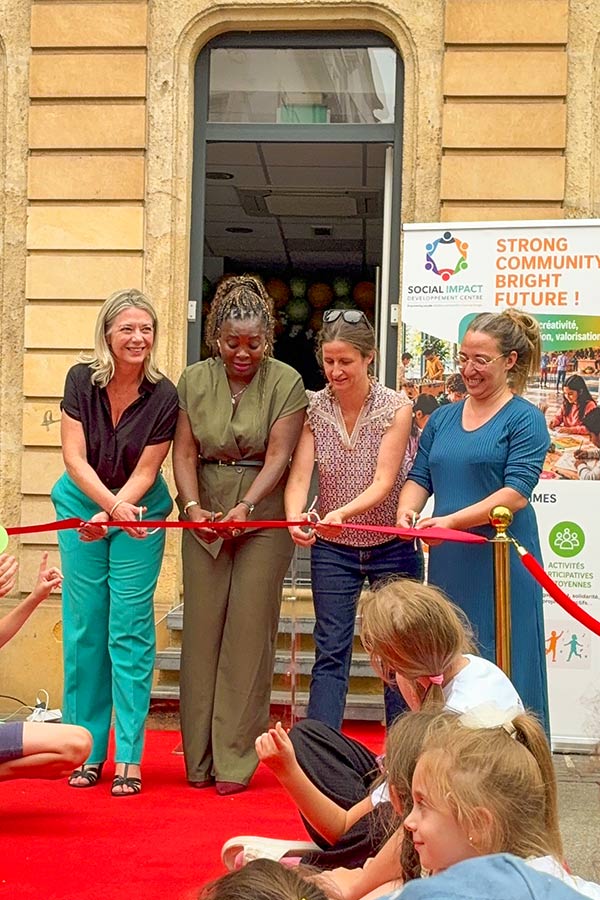
The Social Impact Community Hub was officially opened on 17 July 2026. It demonstrates how a grassroots initiative, supported in the long term, can evolve to provide an ever more comprehensive service to children, young people and their families.
Through the ‘Strong Community, Bright Future’ initiative, the Fondation Sommer is reconnecting with the driving force behind its commitment: the belief that every child and young person has untapped potential, which can be realised if they are given the opportunity to express it. By supporting SIDEC in ways that go beyond mere funding, the Foundation is placing its faith in the idea that a space designed with and for the young people involved, nourished by artistic creation and driven by a shared vision, can become a genuine stepping stone to the future.