It all started with the little things: a smile, a coffee, a shared meal and a touch of human warmth. It was these everyday gestures that gave life to Maison Sourire. Under the leadership of its director, Marie Laurini, the association Sourrire asbl has gradually developed a support programme for people with multiple traumas, many of whom have an immigrant background.
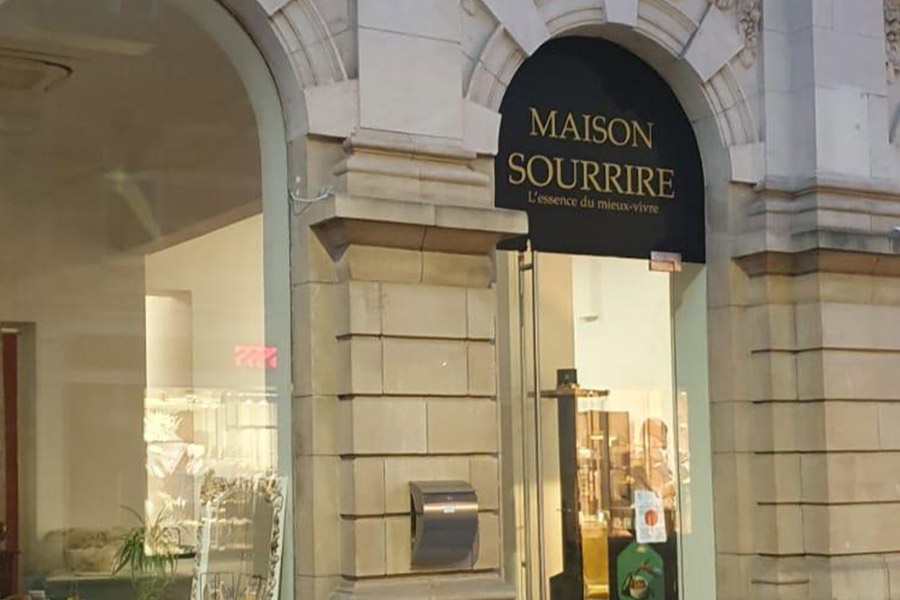
Maison Sourrire seeks to create an environment in which individuals can regain their self-confidence, become independent, and play an active role in community life. Having started in a small house in Dudelange, the initiative now operates from 91 Rue de l’Alzette in the heart of Esch-sur-Alzette, where it is organised around three pillars: L’Atelier des Possibles, Beauté Intérieure and Artisans de Demain.
The Fondation Sommer initially supported three projects run by the association Sourrire asbl, before continuing to support them as part of a two-year programme designed to enable the association to structure its offer and allow those receiving support to take part in the artistic workshops offered over a sustained period. Since 2026, we have been supporting ‘Artisans de demain’, an initiative dedicated to artistic activities and the exploration of different forms of creativity.
When creativity becomes a space for experimenting
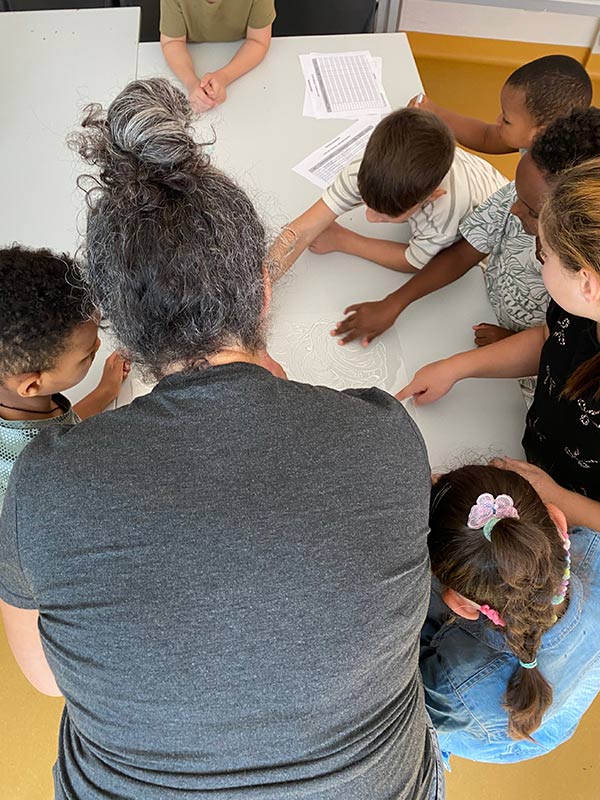
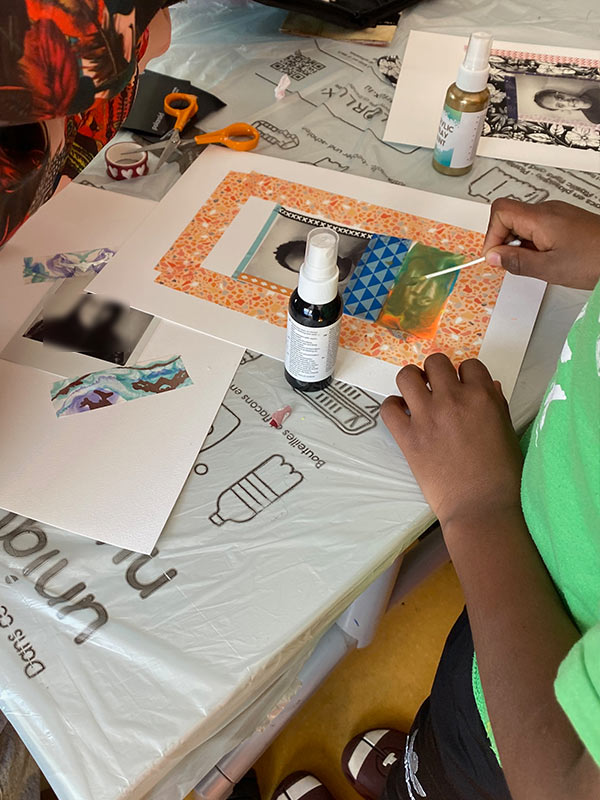
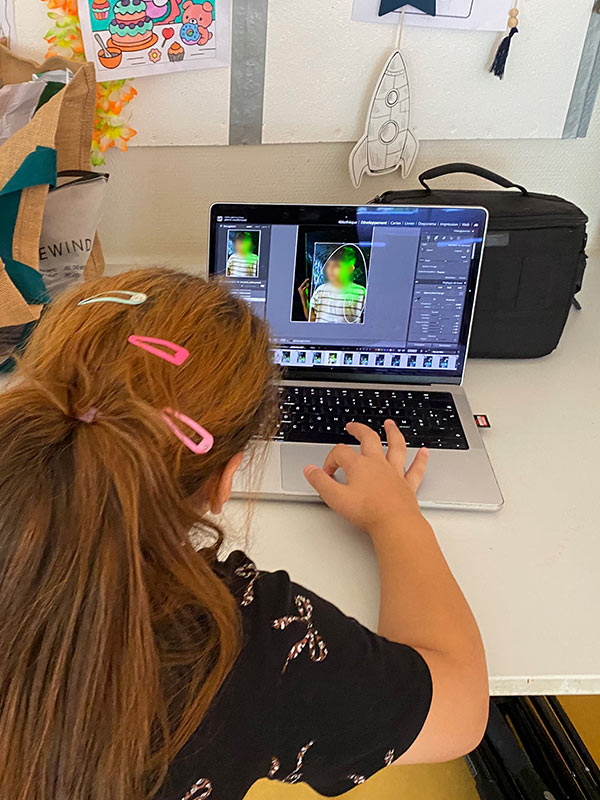
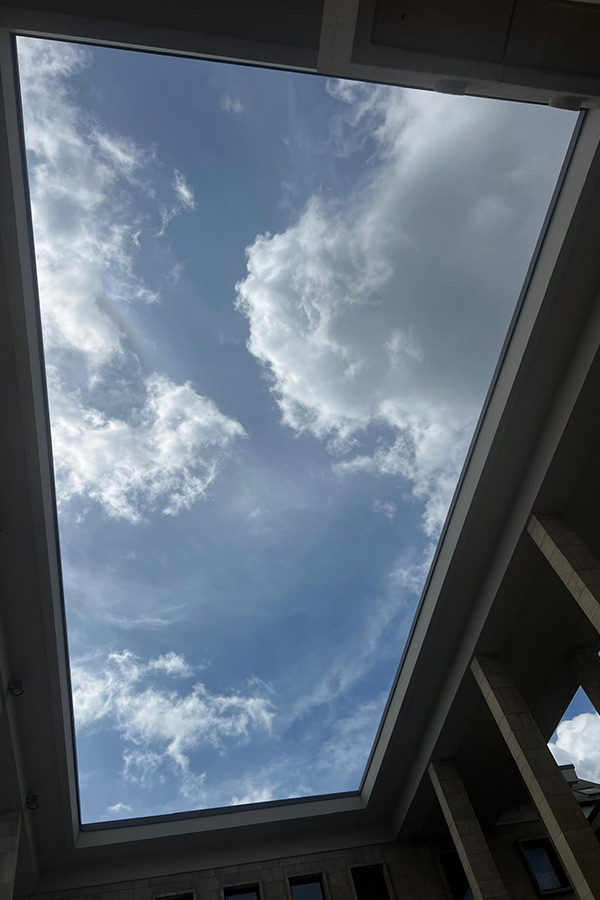
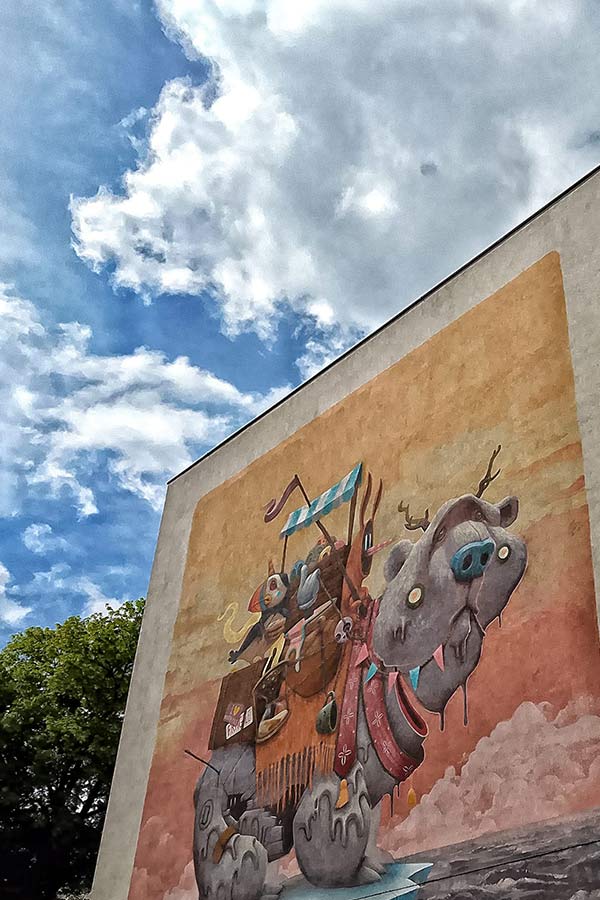
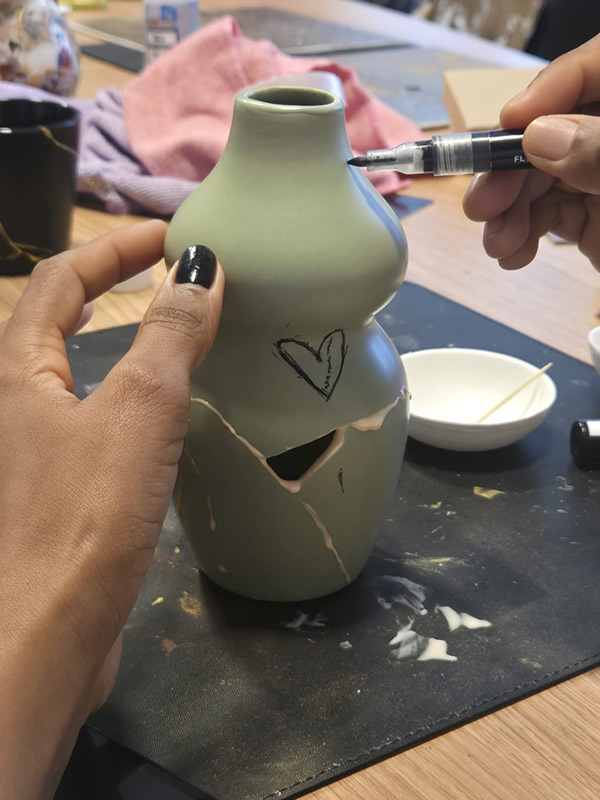
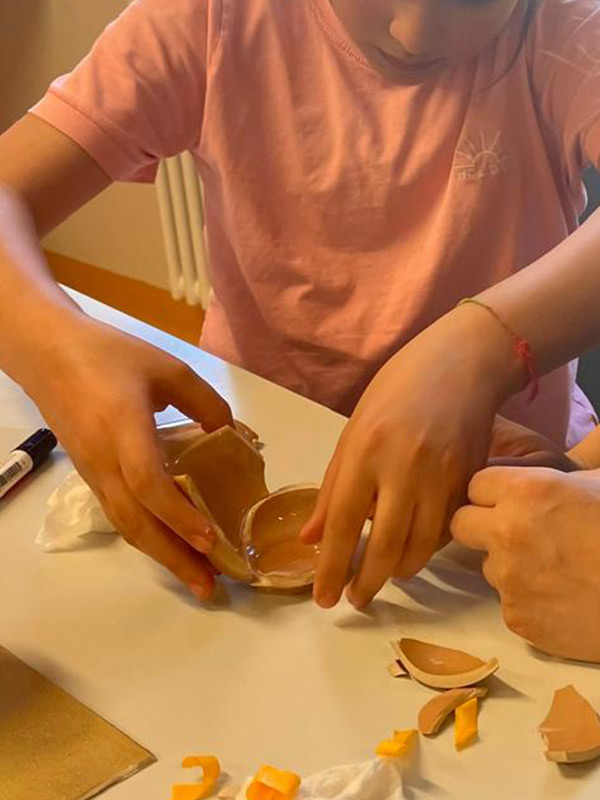
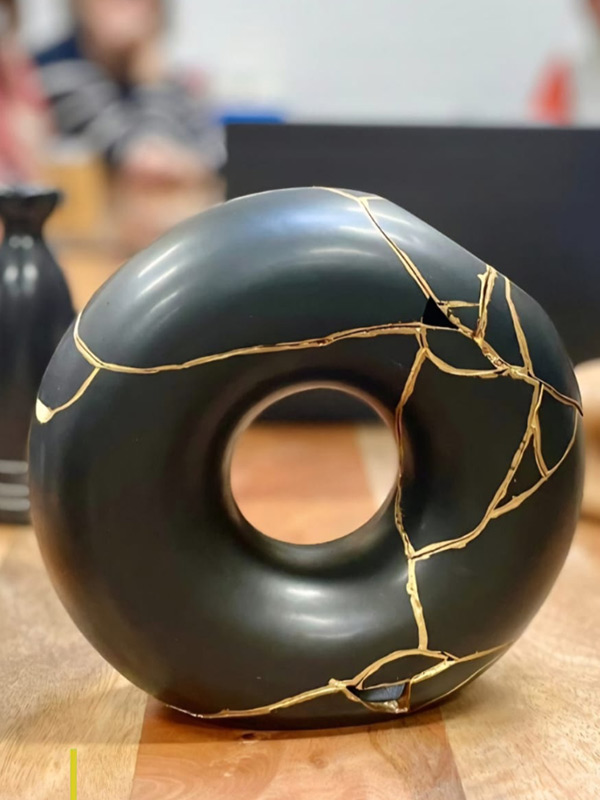
‘Artisans de demain’ is currently based on three approaches: photography, Kintsugi and painting. Each has its own language and offers a different way of approaching creativity.
In an art workshop, there isn’t necessarily just one right way of doing things. A photograph can be transformed, an object can take on a new form, and a colour can alter the overall effect of a painting.
This freedom to experiment gives participants the opportunity to make choices and see first-hand what they can produce. The result matters, but the process matters just as much: trying out a technique, discovering that it doesn’t work as planned, starting again in a different way, or exploring a personal idea.
The workshops thus provide a regular setting in which participants can learn at their own pace, develop new skills and share their creations with others. Artistic practice creates opportunities to connect in a different way, centred around a shared activity rather than on each person’s challenges.